
✈️ The Unsung Heroes of the Skies: Why “Black Boxes” Are Actually Bright Orange Lifesavers ✈️
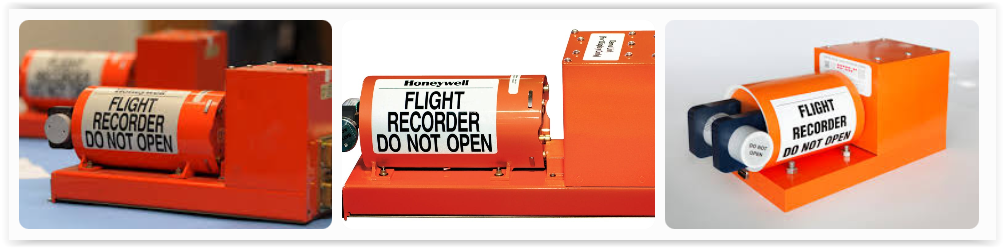
In aviation, safety isn’t just about advanced technology in the cockpit — it’s about learning from every flight, especially the tragic ones. At the heart of that learning process are the flight data recorders (FDR) and cockpit voice recorders (CVR), famously (and misleadingly) called “black boxes.”
Invented in the 1950s by Australian scientist Dr. David Warren after a series of mysterious crashes, these devices record critical flight parameters (speed, altitude, engine performance) and cockpit audio. Despite initial resistance, they became mandatory and have revolutionized accident investigations ever since.
What makes them extraordinary? They’re engineered to survive extreme conditions: intense heat (up to 1,100°C for 60 minutes), crushing impact forces, deep underwater pressure, and corrosion — ensuring data survives even when little else does. That’s why they’re painted bright international orange for easy recovery in wreckage.
Here are some real-world examples of their critical role:
Tragically, in June 2025, Air India Flight 171 (Boeing 787-8 Dreamliner) crashed shortly after takeoff from Ahmedabad, claiming 241 lives on board and 19 on the ground — the first fatal hull loss for the 787 type. Investigators quickly recovered both recorders, revealing that both engines lost power after the fuel control switches moved to the “cutoff” position just seconds after liftoff. This data has been key to understanding the sequence of events.
Earlier in January 2025, a mid-air collision over the Potomac River between an American Airlines regional jet and a U.S. Army Black Hawk helicopter killed all 67 people aboard both aircraft. Recovery teams located multiple recorders (two from the jet, one from the helicopter), and analysis continues to uncover factors like airspace complexities, altitude issues, and procedural gaps — helping prevent future tragedies.
These devices don’t just explain “what” happened — they help fix “why,” leading to better training, procedures, aircraft designs, and regulations. The industry keeps evolving: real-time data streaming, enhanced durability, and even debates about adding cockpit video recorders (which could show pilot actions visually, though privacy and cost concerns remain).
Black boxes work silently in the tail, but their impact is massive — turning lessons from loss into lives saved.
What do you think? Should cockpit video become mandatory? Share your thoughts below, pilots, engineers, and fellow travelers! 👇