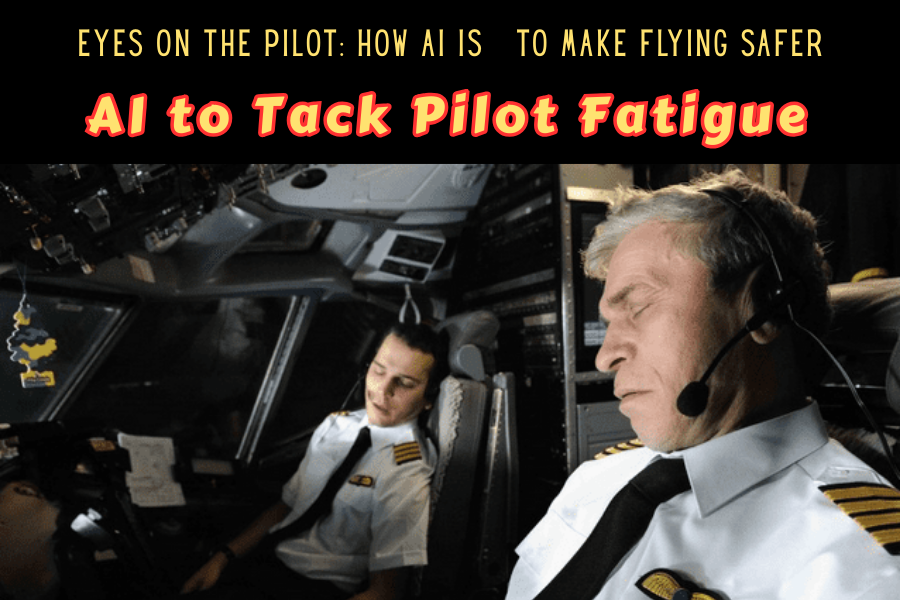
Eyes on the Pilot: How AI is Tackling Fatigue to Make Flying Safer
For decades, pilot fatigue has been a silent, persistent challenge in aviation safety. Today, artificial intelligence (AI) is offering a groundbreaking solution by turning the flight deck into an intelligent partner that can see, predict, and prevent human performance issues before they become critical.
The Critical Need: Confronting Pilot Fatigue
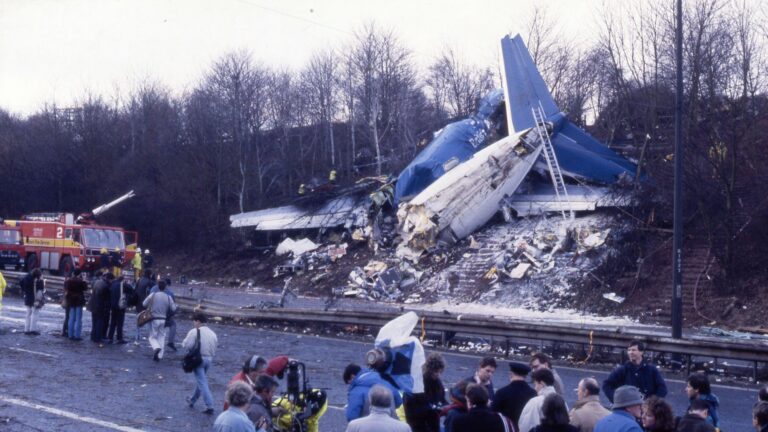
The statistics are sobering. A past study cited by the British Airline Pilots’ Association found that a significant majority of pilots had experienced involuntary sleep in the cockpit. This isn’t just about falling asleep; it’s about the gradual, insidious decline in alertness, reaction time, and decision-making capacity—a state known as cognitive fatigue.
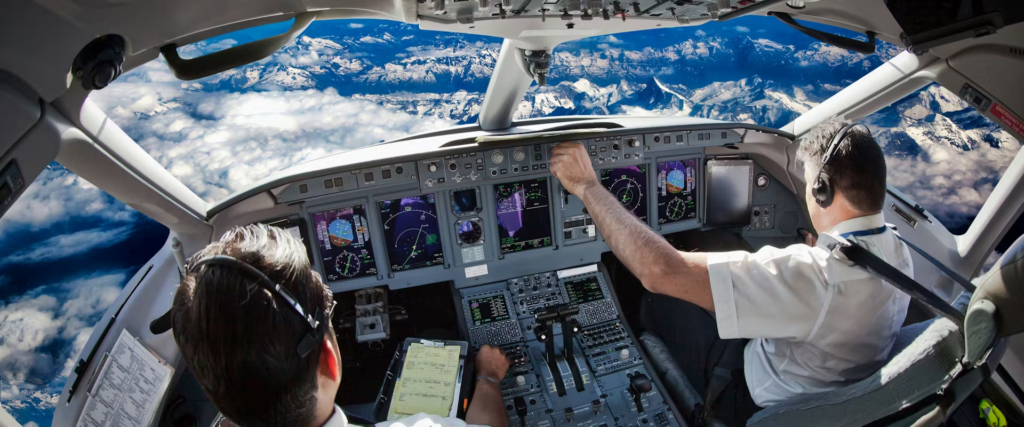
Modern aviation technology manages the aircraft superbly, but it has had a critical blind spot: the state of the human at the controls. Addressing this gap is central to the next leap in aviation safety, especially as concepts like single-pilot operations for cargo flights are explored.
Two Paths, One Goal: Honeywell & HarmonEyes
Two leading companies, Honeywell Aerospace and HarmonEyes, are at the forefront, using camera-based AI eye-tracking but with distinct approaches.
Honeywell’s “Pilot State Monitoring”: The Vigilant Guardian
Honeywell’s system, developed under the EU’s SESAR-3 DARWIN project, acts as a real-time sentinel. Using a discreet monochromatic camera, it analyzes facial cues like blink rate, eye closure duration, yawning, and head posture every 30 seconds.
- How it Works: Its AI algorithm is trained to distinguish normal scan patterns from signs of drowsiness, sleep, or even medical incapacitation. When it detects an issue, it can trigger confidential aural alerts to restore pilot alertness.
- Privacy by Design: A key feature is that the system does not record or store any video or biometric data. It processes information in real-time for immediate safety intervention only.
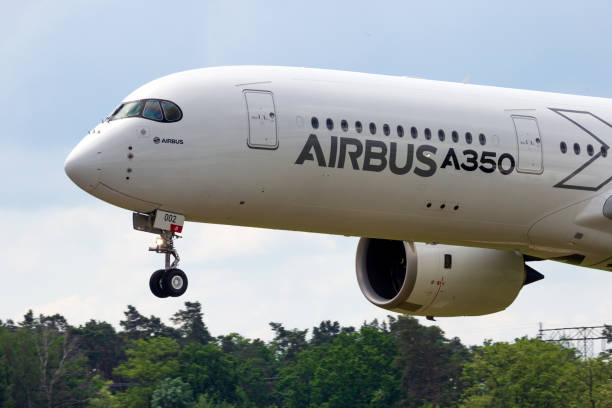
- Real-World Testing: Already validated on aircraft from a Beech Bonanza to an Embraer 170, the system is undergoing an 18-month airline trial on an Airbus A321, with potential service entry after the DARWIN project concludes in 2026.

HarmonEyes: The Predictive Cognitive Coach
Born from a company with over a decade of eye-tracking expertise, HarmonEyes takes a predictive approach. Instead of just detecting current fatigue, its AI models a pilot’s cognitive load—the mental effort used during tasks—to forecast problems.
- The Predictive Edge: “If I just tell you when you are in cognitive overload… it’s too late,” says co-founder Adam Gross. Their system uses a massive dataset of 15 million eye-movement records to predict when a pilot is headed toward overload, high fatigue, or motion sickness.
- Enabling Proactive Intervention: This forewarning allows for proactive measures: deflecting a task to the co-pilot, simplifying displays, or triggering alerts—all before performance degrades.
- Beyond Safety into Training: This technology also creates profiles comparing expert and novice pilots. It can guide training by showing exactly where an expert looks during high-workload scenarios, helping to build better habits from the start.
The Future Cockpit: Contextual AI and Enhanced Safety
The convergence of these technologies points toward a future cockpit with “Contextual AI.” This system would understand not just the pilot’s physiological state, but also the flight phase, weather, and aircraft systems. It could intelligently manage alerts, automate non-critical tasks, or suggest optimal task handovers.
For airlines, the benefits are twofold: a powerful new safety net to prevent fatigue-related incidents and a sophisticated tool for enhanced pilot training and proficiency assessment.
A Clear Path Forward
The journey from reactive controls to proactive, predictive support is underway. As these AI-driven monitoring systems mature and earn the trust of the aviation community, they promise to significantly elevate the safety floor for all air travel. The focus is no longer just on helping pilots fly the plane, but on helping the plane understand and support the pilot.