
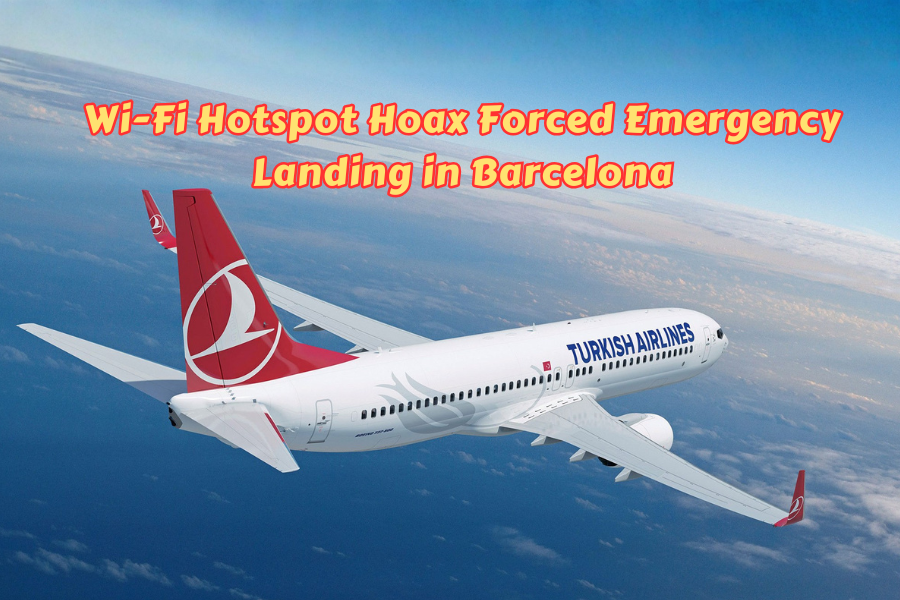
Turkish Airlines Flight TK1853: Passenger’s Wi-Fi Hotspot Name Sparks Bomb Scare and Emergency Landing in Barcelona
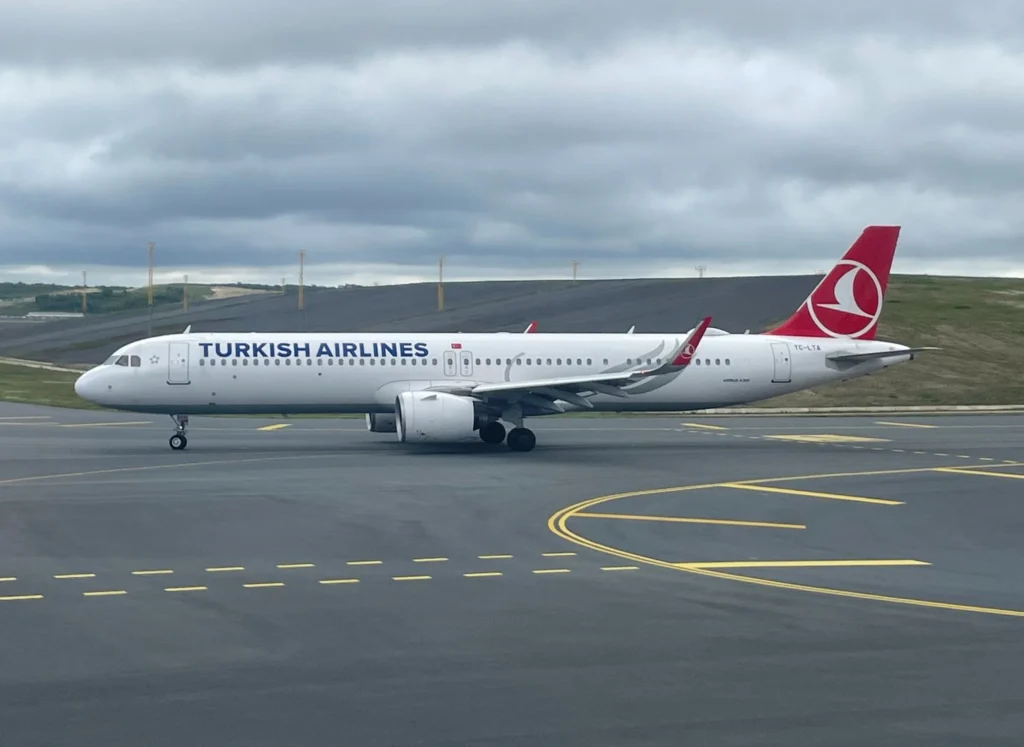
A bizarre but serious aviation security incident unfolded on January 15, 2026, when Turkish Airlines flight TK1853 (Istanbul to Barcelona) was forced into an emergency landing after a passenger’s personal in-flight Wi-Fi hotspot name allegedly contained a bomb threat phrase. The network SSID reportedly read along the lines of “I have a bomb, everyone will die”—a “joke” that triggered immediate protocols under zero-tolerance aviation security rules.
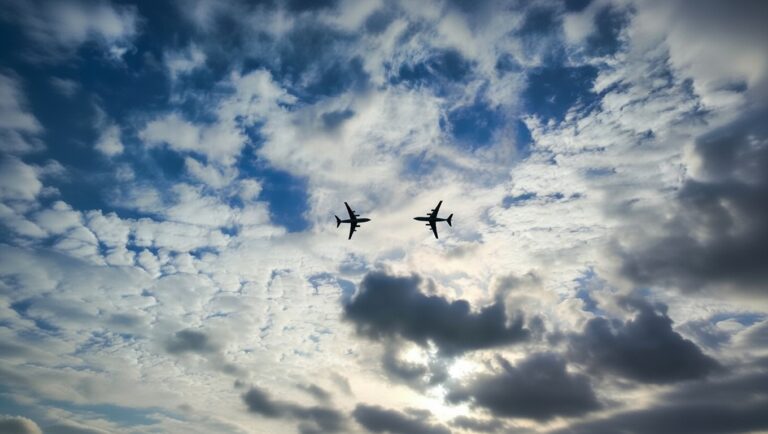
The Airbus A321, with 148 passengers and 7 crew on board, was nearing Spanish airspace when the suspicious hotspot was detected. The crew declared an emergency without hesitation, activating NATO’s Quick Reaction Alert. French fighter jets scrambled (with reports of a sonic boom over southern France), followed by a smooth handover to Spanish Eurofighter Typhoons that escorted the aircraft into Barcelona-El Prat (BCN) airspace. The plane held patterns offshore to prioritize traffic separation before landing safely around 11:00 AM local time, resulting in roughly a 30-minute overall delay.
On the ground, the aircraft was directed to an isolated remote stand. A large response team—including Spanish Civil Guard, Mossos d’Esquadra police, bomb disposal experts, and explosive-detection dogs—conducted a comprehensive search of the aircraft, baggage, cargo, and all passengers. After thorough checks, authorities from Spain’s Interior Ministry declared no explosives, threats, or hazards were found. The event was officially ruled a hoax/false alarm.
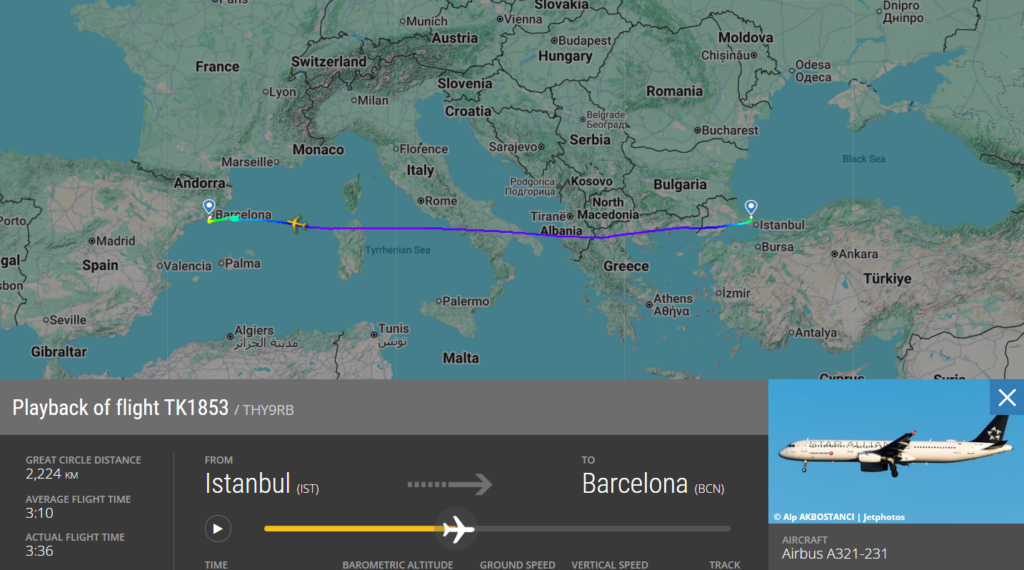
Turkish Airlines’ communications head, Yahya Üstün, confirmed via X: “A passenger set up an in-flight Wi-Fi access point with a network name containing a bomb threat reference. All required flight safety procedures were activated immediately.” The airline stressed full compliance with international protocols, and the return flight departed normally (though delayed). The passenger responsible was identified, detained, and faces potential legal consequences under Spanish law for false threats.
This incident joins a growing list of digital hoax threats in aviation—similar cases have involved Wi-Fi names, bathroom scribbles, or anonymous emails—each causing massive disruption: costly fighter scrambles, airport shutdowns, passenger trauma, and operational chaos. Post-9/11 rules mean crews monitor networks vigilantly, and even perceived jokes are treated as credible until proven otherwise. Penalties can include years in prison and financial restitution for response costs.
Turkish Airlines managed the situation professionally, prioritizing safety and transparency. It serves as a powerful reminder: what seems like a harmless prank in the cabin can escalate to international emergency levels in seconds. Always think twice—digital “jokes” have real-world consequences in aviation.