
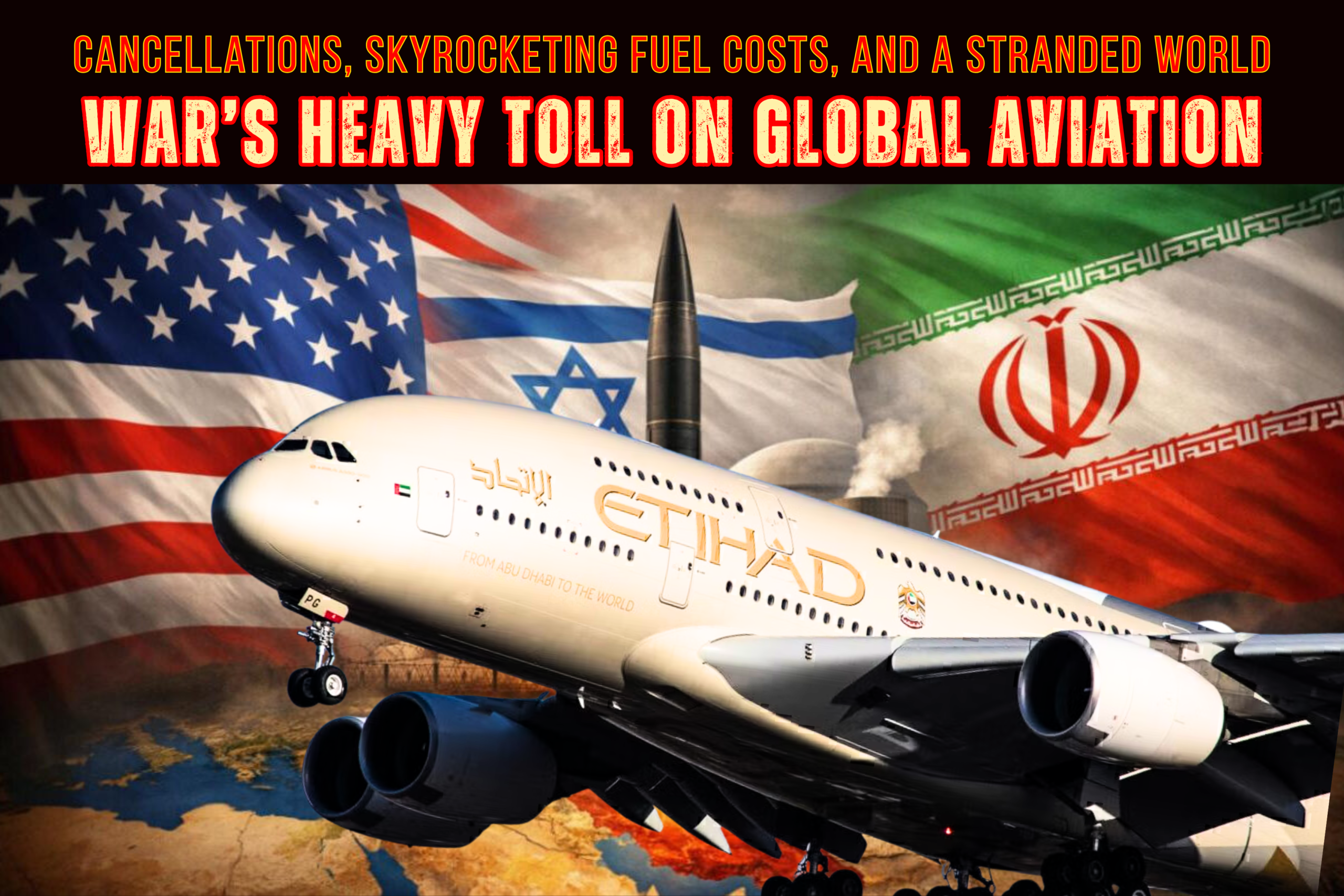
The US-Israel-Iran War’s Heavy Toll on Global Aviation: Cancellations, Skyrocketing Fuel Costs, and a Stranded World
Since February 28, 2026, when the United States and Israel launched coordinated airstrikes on Iranian leadership, military sites, nuclear facilities, and missile infrastructure—killing Supreme Leader Ali Khamenei and triggering full-scale Iranian retaliation—the Middle East has plunged into open war. Iran has fired hundreds of missiles and thousands of drones at Israel and U.S. bases across the Gulf, while the conflict has spilled into airspace closures, airport strikes, and energy chaos. The aviation industry, already fragile after years of geopolitical shocks, is now facing its most severe disruption in decades.
Mass Flight Cancellations and Airspace Collapse
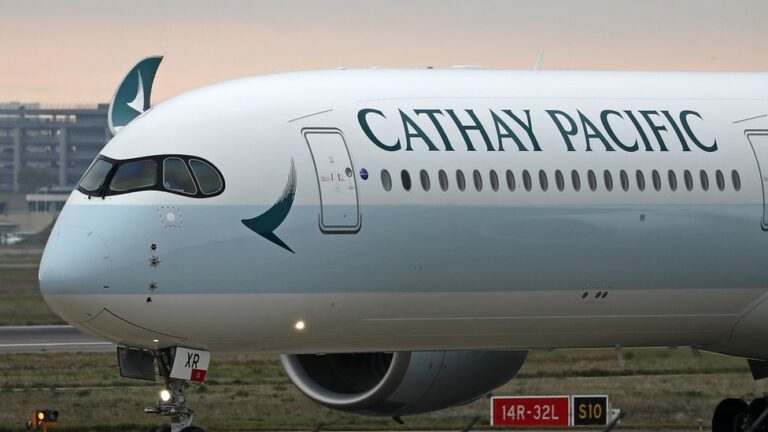
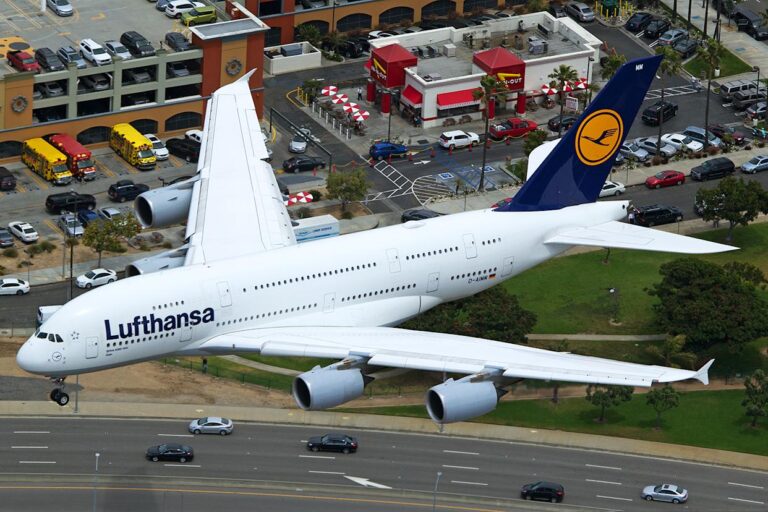
Within days of the first strikes, more than 37,000 flights to and from the Middle East were canceled between February 28 and March 8 alone, according to aviation analytics firm Cirium. Daily cancellations have regularly exceeded 4,000. Major Gulf carriers—Emirates, Qatar Airways, Etihad, flydubai, and Kuwait Airways—have suspended or sharply curtailed operations. International airlines including British Airways, Lufthansa, Air India, IndiGo, Cathay Pacific, and Virgin Atlantic have also pulled out of the region entirely.
Airspace over Iran, Iraq, parts of Syria, and key Gulf states (UAE, Qatar, Kuwait, Bahrain) has been severely restricted or closed. Flight Information Regions (FIRs) are compressed into narrow corridors, forcing airlines on Europe-Asia and transatlantic routes to detour hundreds of miles—adding one to three hours of flight time, extra fuel stops, and enormous costs. Dubai International Airport, one of the world’s busiest hubs, was damaged by Iranian drone strikes on day two of the conflict and reopened only at reduced capacity. Business jet activity across the Gulf has plummeted, with some operators reporting 25–35% drops in departures.
Hundreds of thousands of passengers remain stranded. Evacuation and rescue flights operate under extreme restrictions, while commercial services are virtually nonexistent in many corridors.
Fuel Prices Explode—Jet Fuel Up 80–100%
The Strait of Hormuz—the chokepoint for roughly 20% of global oil shipments and a major source of aviation fuel—has been heavily disrupted, with shipping slowed to a trickle and some routes effectively closed. Brent crude surged past $100 per barrel and briefly touched $120, while jet fuel (kerosene) prices have doubled or risen more than 80% in key markets. The Gulf supplies about 50% of Europe’s aviation fuel imports; those supplies are now in jeopardy.
Fuel is the second-largest expense for most airlines. Carriers with limited hedging (especially U.S. airlines) are absorbing brutal cost spikes. Analysts warn that without quick de-escalation, thousands of aircraft could be grounded and weaker carriers forced out of business. Low-cost operator Wizz Air has already warned investors of a €50 million hit to its annual profit from higher fuel alone.
Airline Stocks Plunge, Fares Surge, Profits Under Threat
Airline shares worldwide tumbled on the first trading days after the strikes. Major carriers face a triple hit: lost Middle East revenue, higher fuel and operating costs from rerouting, and softening demand as travelers cancel leisure and business trips amid uncertainty. Deutsche Bank analysts have cautioned that prolonged conflict could lead to widespread fleet groundings.
Airfares on long-haul routes bypassing the Middle East (Europe to Asia, Australia, and parts of Africa) have already jumped 30–40% in some cases, with tickets to Australia rising by up to £400 for Easter and summer travel. Industry watchers predict sustained higher fares through 2026 if the war drags on. Air cargo rates on affected corridors could double or triple as capacity shrinks.
Safety, Insurance, and Human Costs
Pilots now contend with the added stress of navigating active missile and drone zones even on “safe” routes. Falling debris, sudden airspace closures, and military activity have created unprecedented operational risk. Aviation insurers have hiked premiums sharply for any flights near the conflict zone, further inflating costs.
The human toll is stark: commercial crews and passengers have been evacuated under fire, while ground staff at damaged airports face chaos. The conflict has compounded existing pressures from the Russia-Ukraine war, where airspace restrictions already force lengthy detours.
Broader and Long-Term Ripple Effects
- Tourism collapse: Gulf megahubs (Dubai, Doha, Abu Dhabi) drive massive tourism and business travel. Their partial shutdown is hammering hotels, retail, and local economies.
- Global supply chains: Air freight of high-value goods, perishables, and pharmaceuticals is delayed or rerouted, adding costs that will eventually reach consumers.
- Credit and ratings risk: Rating agencies including S&P Global and Fitch have flagged potential downgrades for airlines if fuel prices remain elevated and demand stays weak.
- Strategic shifts: Airlines are accelerating fleet planning for fuel efficiency and exploring alternative hubs (e.g., in Turkey, Saudi Arabia where airspace remains partially open, or even Africa).
Outlook: Uncertain and Dire
As the war enters its second week with no immediate ceasefire in sight, the aviation industry is bracing for a prolonged crisis. A short conflict might allow rapid recovery once airspace reopens and oil flows resume. But every additional week of fighting deepens the damage: higher fares, stranded travelers, grounded planes, and potential bankruptcies among vulnerable carriers.
The 2026 US-Israel-Iran War has already stranded hundreds of thousands, wiped billions from airline valuations, and rewritten flight paths across three continents. For an industry still recovering from COVID and other conflicts, this latest shock is a stark reminder of how quickly geopolitical fire can ground the world’s skies. Recovery will depend not on aircraft schedules, but on when the missiles finally stop.