

Fired Mid-Chemotherapy: The Heartbreaking United Airlines Lawsuit Involving Technician Hasan Syed
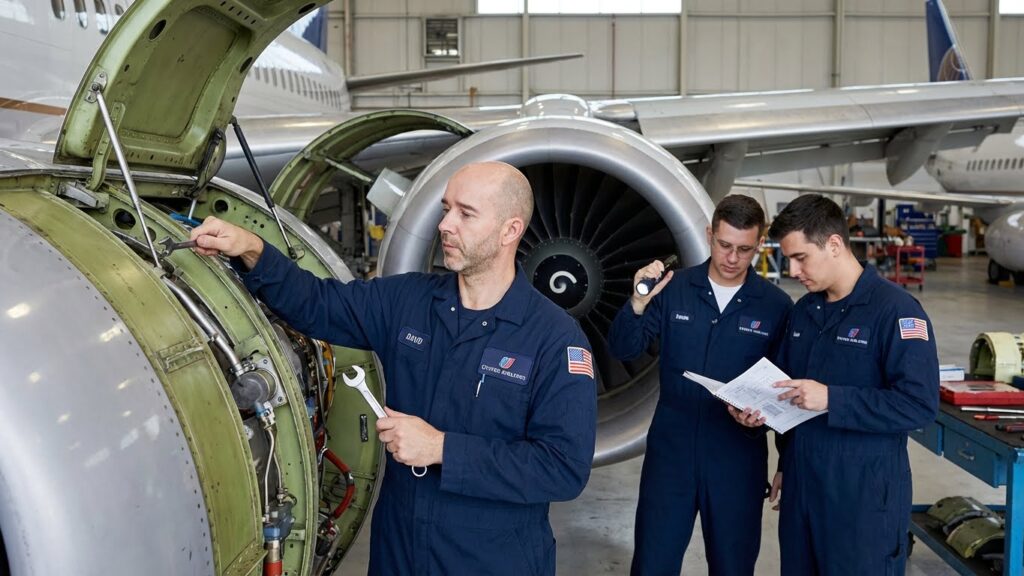
In the high-stakes world of commercial aviation, where aircraft technicians play a vital role in ensuring passenger safety, reliability, and regulatory compliance, the story of Hasan Syed has ignited intense debate across the industry. As a Boeing 737 controller (mechanic/technician) based in the Chicago area for United Airlines, Syed was responsible for troubleshooting and maintaining complex mechanical, electrical, and avionics systems—tasks that directly impact flightworthiness and prevent costly delays or safety incidents.
Hired in April 2024, Syed quickly proved his value, consistently meeting or exceeding performance expectations in a demanding role that often involves 12-hour shifts on a rotating schedule (4 days on, 5 off). Aviation maintenance professionals like him are the unsung heroes behind every safe departure, performing rigorous inspections, repairs, and diagnostics under tight turnaround times at busy hubs like Chicago O’Hare (ORD).
A Devastating Diagnosis Amid Dedication
Tragedy struck in late 2024. By December, Syed began experiencing serious health issues and sought medical attention. A CT scan in early 2025 revealed a tumor in his nasal passage. A follow-up biopsy confirmed the grim diagnosis: stage 4 lymphoma, an aggressive cancer that had already spread beyond the lymphatic system to other organs.
Stage 4 lymphoma carries a challenging prognosis, often requiring intensive chemotherapy, potential radiation, and close monitoring. Despite this life-altering news, Syed demonstrated extraordinary resilience. He continued his full-time duties at United, powering through grueling shifts while managing treatment. He used only his accrued sick leave and vacation time for brief recovery periods—typically just 1-2 days after each chemotherapy session—to minimize any disruption to operations.
This level of commitment is remarkable in aviation, where absenteeism can strain staffing and affect aircraft availability. Syed prioritized both his health and his professional responsibilities, embodying the dedication expected in safety-critical roles.
The Alleged Termination: A Phone Call During Chemo
The turning point came in April 2025. While seated in a chemotherapy chair—enduring the physical and emotional toll of treatment—Syed’s phone rang. According to the federal complaint, it was his supervisor, who allegedly informed him: “I’m sorry, but I have to let you go—you’re taking too much time off work.”
The termination occurred over the phone, mid-session, and reportedly just one week before Syed’s one-year employment anniversary. Under U.S. federal law, employees become eligible for up to 12 weeks of unpaid, job-protected leave under the Family and Medical Leave Act (FMLA) after 12 months of service (and meeting other criteria like hours worked). The timing has fueled speculation that the decision may have been influenced by avoiding FMLA obligations.
The Federal Lawsuit: Allegations of ADA Violation
On January 13, 2026, Hasan Syed filed a lawsuit in the U.S. District Court for the Northern District of Illinois (Case No. 1:26-cv-00347, Syed v. United Airlines, Inc.). Represented by attorney Chad Eisenback (initially noted with Atlas Law Center in some reports, with filings showing Eisenback’s appearance), the complaint accuses United Airlines of disability discrimination in violation of the Americans with Disabilities Act (ADA).
Key allegations include:
- Failure to provide reasonable accommodations for Syed’s disability (cancer and related treatment).
- Termination based on his medical condition and necessary time off, despite his use of accrued paid leave and continued high performance.
- Resulting harms: significant financial loss, emotional distress, humiliation, and loss of dignity during a vulnerable period.
Eisenback stated emphatically: “Mr. Syed did everything he could to keep working while fighting a serious medical condition—and was terminated instead of supported. No one should have to choose between their health and their livelihood, and we will continue to hold employers accountable when they do.”
Syed seeks remedies including back pay, front pay (lost future wages), compensatory damages for emotional harm, punitive damages, attorney’s fees, and other relief.
Prior steps included a discrimination charge filed with the Illinois Department of Human Rights and a right-to-sue letter from the U.S. Equal Employment Opportunity Commission (EEOC) on December 29, 2025.
A Positive Turn in the Personal Battle
Amid the legal fight, there’s uplifting news: Recent PET scans show Syed’s cancer is in remission. This milestone highlights his strength as a fighter and underscores the human element at the heart of the case—he’s winning his battle against lymphoma while pursuing justice in the workplace.
United Airlines has not issued a public comment on the ongoing litigation as of the latest reports (mid-January 2026).

Broader Implications for Aviation and Workplace Rights
This case spotlights critical tensions in the aviation sector:
- Safety vs. Compassion: Technicians handle life-critical work; airlines prioritize reliability and minimal absences. Yet, federal laws like the ADA require employers to engage in an interactive process for reasonable accommodations (e.g., flexible scheduling or unpaid leave beyond accrued time) for qualified individuals with disabilities.
- FMLA Eligibility Timing: The alleged one-week-shy termination raises questions about potential avoidance of protected leave obligations.
- Employee Support in High-Responsibility Roles: Aviation maintenance is physically and mentally demanding. How airlines handle serious illnesses among ground staff can affect morale, retention, and even safety culture.
- Precedent and Awareness: Similar cases (including past United incidents involving medical-related terminations) emphasize the need for robust HR policies, training on disability laws, and genuine support for employees facing health crises.
As aviation professionals and passengers alike rely on dedicated teams like Syed’s, this lawsuit reminds us that behind every safe flight are people—people who deserve fair treatment, especially during their darkest hours.
The case remains active, and developments will be closely watched by labor experts, aviation unions, and the broader industry.
What are your thoughts on balancing operational demands with employee rights in aviation? Share in the comments below.