
Air Canada Flight AC40 Returns Safely to Auckland After Unusual Odour Detected in Cockpit
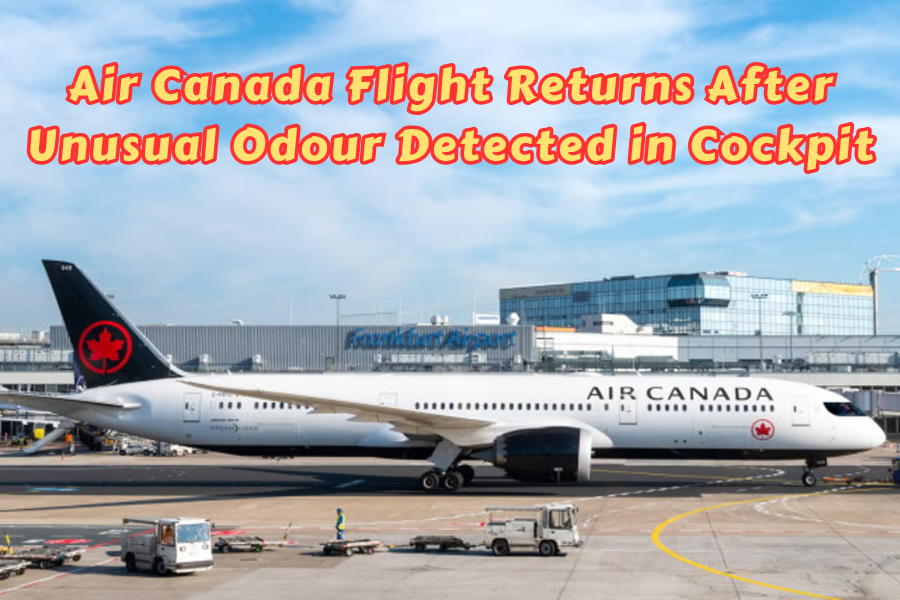
In a textbook display of aviation’s conservative safety culture, an Air Canada Boeing 787-9 Dreamliner operating flight AC40 from Auckland International Airport (AKL) to Vancouver International Airport (YVR) returned to its departure point shortly after takeoff on Tuesday, 13 January 2026, following reports of an unusual odour in the flight deck.
The long-haul service, one of Air Canada’s most demanding routes spanning more than 11,000 kilometres and typically lasting around 13 hours, departed AKL at approximately 14:51 NZDT—nearly an hour behind schedule—with 269 passengers and 14 crew members on board. Just seven minutes into the climb, as the aircraft reached about 12,000–13,000 feet, the pilots detected the odour and promptly declared an emergency. Rather than pressing on across the Pacific, the crew elected to return as a precaution, performing two holding patterns over the Hauraki Gulf to burn off fuel and reduce landing weight for added safety.
The aircraft landed normally back on Auckland’s runway 05R at around 16:02 local time, roughly 40–70 minutes after departure depending on exact timings reported. No injuries occurred among those on board, and the Boeing 787 was immediately taken out of service for thorough inspection and maintenance checks. Air Canada confirmed the decision was made out of an abundance of caution after the odour was noted in the cockpit; the flight was subsequently cancelled, with affected passengers rebooked onto alternative services to Vancouver.
From an aviation management perspective, such early returns are standard protocol when any anomaly—particularly in the flight deck—is identified soon after departure. An unusual odour, even without visible smoke or other immediate indications, can signal potential issues such as electrical faults, air-conditioning pack problems, engine oil leaks into the bleed-air system, or minor component degradation. Modern aircraft like the 787 Dreamliner feature advanced environmental control systems, but crews are trained to treat any cockpit environmental irregularity with the utmost seriousness to prevent escalation.
This incident underscores several key principles in contemporary airline operations:
- Prioritising safety over schedule: The crew’s swift decision to return avoided any risk of continuing into remote oceanic airspace with a potential unresolved issue.
- Fuel dumping or holding patterns: By circling to reduce weight, the pilots ensured a safer landing configuration without resorting to fuel jettison (not always required or permitted near populated areas).
- Post-incident response: The aircraft’s grounding for inspection aligns with rigorous maintenance protocols, ensuring full airworthiness before return to service.
No further details on the root cause have been publicly released as investigations continue, but such events are routinely documented and analysed to refine procedures across the industry.